Thursday, August 25, 2022

McCullough charts FSU’s bold path forward


McCullough charts FSU’s bold path forward

Florida State University President Richard McCullough arrived on campus in August 2021 with a bold vision of leading one of the top public universities in the nation to even greater heights.

Inspired by FSU’s rapid rise in the national academic rankings, commitment to student success, and role as an engine of economic opportunity and social mobility, McCullough wasted no time outlining ambitious goals and setting out to achieve them. He marked his one-year anniversary as president on Aug. 16.

“I knew Florida State was a special place from the moment I stepped on campus,” McCullough said. “This is a university on the rise. I am proud of what we have already accomplished, and I am even more excited about what the future holds for this incredible university.”

“I knew Florida State was a special place from the moment I stepped on campus. This is a university on the rise. I am proud of what we have already accomplished, and I am even more excited about what the future holds for this incredible university.”

— Richard McCullough, Florida State University President

Immediately upon taking office, McCullough began to build an outstanding senior leadership team. Since last fall, he has overseen and completed searches for a new provost, chief of staff, vice president and director of Athletics, vice president for Research, vice president for University Advancement, and dean of Engineering.

The university also hired a new director of Opening Nights, chief audit officer, chief of police, president of Seminole Boosters and head coaches in women’s basketball, baseball and soccer.

Under McCullough’s direction, the university has initiated a search for a Chief Marketing Officer. This individual is expected to be named this fall.

President Richard McCullough gets to work on his first day in office at the Westcott Building Aug. 16, 2021. (FSU Photography Services)

During McCullough’s first year, the university continued to raise its profile with a string of significant accomplishments:

  • U.S. News & World Report again ranked FSU No. 19 among all public universities in America.
  • The university also posted some of the nation’s top retention and graduation rates over the past year, achieving a 94 percent freshman retention rate and a four-year graduation rate of 73 percent, while nearly eliminating disparities across race, ethnicity and income level.
  • In November, the Association of Public and Land-grant Universities (APLU) recognized Florida State for its efforts to support all students in earning their degrees with the 2021 Degree Completion Award — the top student success award in the country.
  • FSU received more than 78,000 applications for about 6,000 spots in this year’s freshman class — and admitted the most academically accomplished class in university history. The middle 50% of students admitted for Fall 2022 had a core GPA of 4.3-4.6, an ACT composite score of 29-32, and an SAT total score of 1300-1430.
  • U.S. News ranked 20 of FSU’s graduate programs and specialties in the Top 25 among public universities last spring. Programs in education, business, law, and engineering all climbed in the rankings, while specialties like statistics, chemistry, biology, and earth sciences also made big gains.
  • Applications to graduate programs were up 23 percent compared to last year, contributing to the university’s increasing graduate student enrollment. This year’s graduate student cohort is expected to be the university’s largest with more than 2,900 incoming students.

“It’s becoming increasingly clear that undergraduate and graduate students want to come to FSU because they know they will receive a world-class education that will prepare them to compete and lead anywhere,” McCullough said.

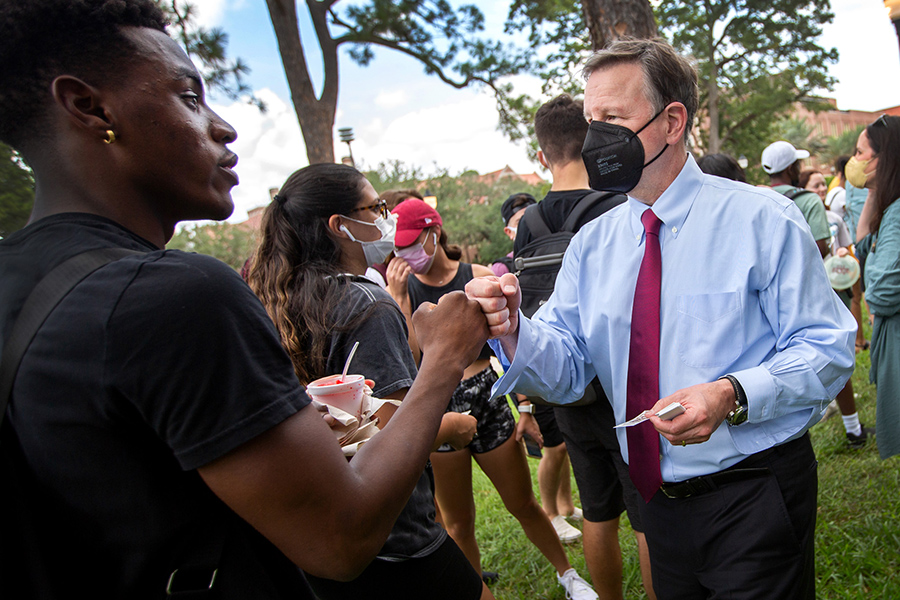
Over the past year, McCullough has made it a top priority to establish relationships with students across campus and to attend student events. He has reaffirmed the university’s commitment to student success by investing in the academic advising staff and expanding FSU’s nationally recognized Center for Academic Retention & Enhancement (CARE), which provides programming and support for first-generation students.

McCullough also continued to prioritize recruiting the most academically talented students to FSU by allocating resources and raising $15 million in gifts to increase funding for Presidential Scholars — FSU’s premier undergraduate merit scholarship — and doubling the incoming Honors Program cohort, the largest in school history.


Another top priority of McCullough’s is recruiting and retaining world-class faculty who will help grow Florida State’s research and development enterprise.

“We’re doing everything we can to keep our best faculty and reward those who are working the hardest and achieving at the highest levels,” McCullough said.

This year, the university hired 155 new faculty members, which puts FSU in the position to secure more research funding in the future.

The university’s research portfolio increased to record numbers this year, and McCullough is working to expand the university’s external financial support, especially from the National Institutes of Health.

Additionally, the university has taken giant steps to create new research initiatives in the life sciences, medical research, health data sciences, aerospace and quantum science, and engineering.
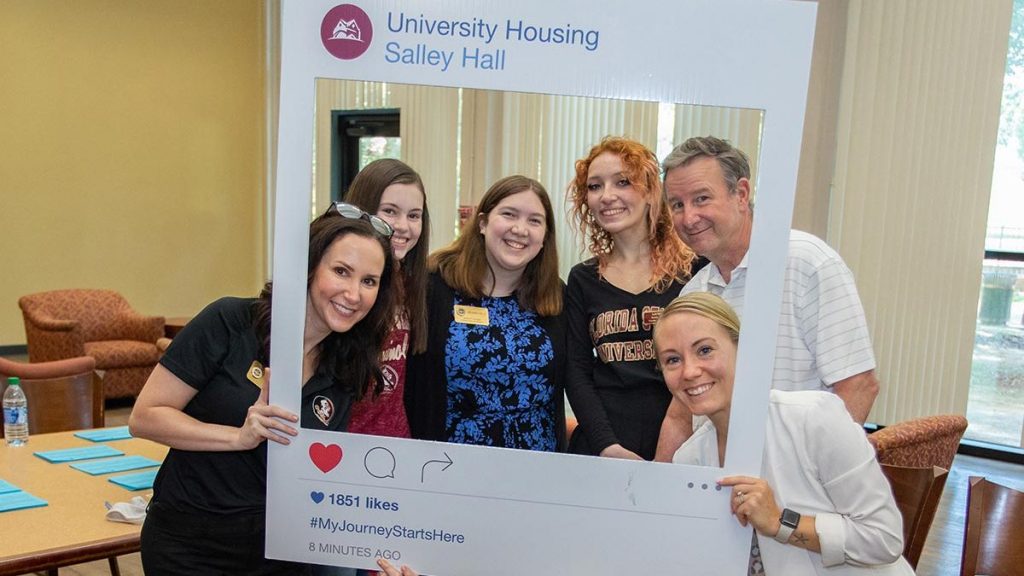
President Richard McCullough tours residence halls during move-in Aug. 19, 2021. (FSU Photography Services)

“One of my major goals is to build initiatives at this university by developing the infrastructure needed to attract more research dollars,” he said.

One example of this is the new FSU Health initiative, a partnership with Tallahassee Memorial HealthCare, which has the potential to transform health care delivery, education, and biomedical research in the region. To support the FSU Health initiative, the Florida Legislature appropriated $125 million to FSU for a new academic health center in Tallahassee.

The appropriation from the state for FSU Health was part of FSU’s most successful legislative session in university history. In addition, FSU received $45 million in recurring operational funds, $6.6 million in recurring funds for the FAMU-FSU College of Engineering, $16.8 million for the National High Magnetic Field Laboratory and approximately $90 million in capital funding for deferred maintenance at the Tallahassee campus, Panama City campus and FAMU/FSU College of Engineering and for critical infrastructure upgrades at the Mag Lab.
Other noteworthy accomplishments during McCullough’s first year as president include:

  • The FSU Foundation raised $95.7 million during FY 2022 — the second-highest giving year in a decade, resulting in fundraising totals of over $136 million for university advancement.
  • The fundraising campaign for the new College of Business building, Legacy Hall, was revitalized, and the groundbreaking will take place Oct. 14.
  • The university took over the State Data Center, including the transfer of nearly 100 employees, and roughly $200 million of expenditures to the Northwest Regional Data Center.
  • Resources were invested to support the completion of North Florida Innovation Labs, a community-wide collaboration that will house start-ups and growing technology companies in need of specialized space.
  • Significant investments were made in faculty and staff including salary increases and compensation structure.
  • An update to the university’s strategic plan from 2017 was initiated. The Strategic Plan 2022 will focus on the university’s challenges and opportunities for the next five years.
  • FSU undergraduate students created about 100 new start-up companies.
  • Florida State Athletics maintained its position as one of the nation’s premier Division I programs. Women’s soccer won its third NCAA championship, and FSU Athletics finished 14th nationally in the Learfield Directors’ Cup standings, which measure the overall strength of NCAA programs.

Viewers per team


Viewers per team

ACC

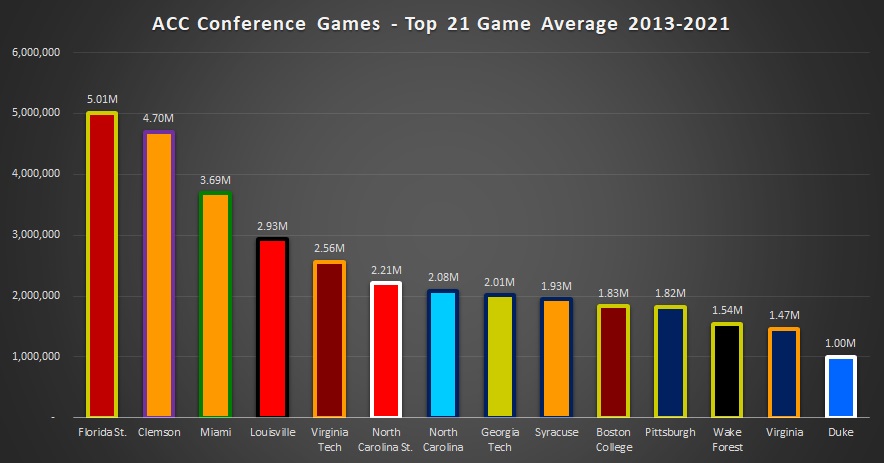
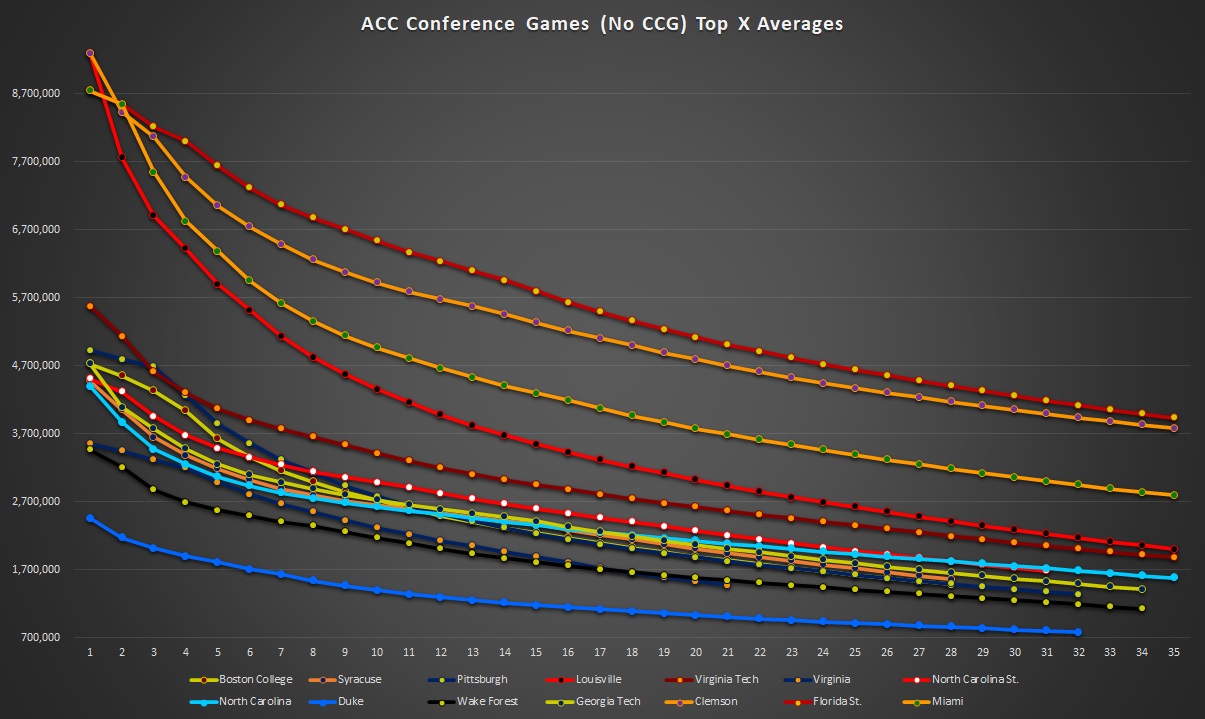
The ACC has three main brands pacing them with FSU, Clemson, and Miami generally in that order. It’s not shocking as FSU is probably the closest to being a blue blood and had nationally relevant success from 2013-2015. Clemson obviously has had an incredible amount of success and has been elite all decade. Miami hasn’t been dominant but their brand is immense.

Louisville shows up next leveraging three GIANT games against FSU and Clemson during the 2016 and 2017 Lamar Jackson seasons that went 9.29mm, 6.2mm, and 5.2mm. 10 of the Cardinal’s top 15 ACC games were 2016 or 2017. After Louisville, you see Virginia Tech separate as the next school up. The next group ranking depends on what number of games you average but either Pitt or NC State is next up with UNC, BC, GT, and Syracuse are all close. The final three spots see UVA, Wake, and Duke round out the league.

If we sample the top 21 games (UVA’s number) you end up with the following ranking.


https://csnbbs.com/thread-953595.html

BIG 12
14. Oklahoma (5.247M)
16. Texas (4.432M)
24. Oklahoma State (3.574M)
28. Baylor (3.103M)
31. TCU (2.966M)
38. West Virginia (2.587M)
43. Texas Tech (2.271M)
46. Iowa State (2.074M)
48. Kansas State (2.008M)
71. Kansas (876K)

ACC
9. Florida State (5.589M)
10. Clemson (5.419M)
23. Miami (3.620M)
30. Virginia Tech (3.013M)
34. Louisville (2.855M)
41. Georgia Tech (2.385M)
42. North Carolina (2.355M)
45. Pittsburgh (2.080M)
51. Syracuse (1.754M)
53. Virginia (1.717M)
54. NC State (1.708M)
65. Wake Forest (1.248M)
67. Duke (1.185M)
N/A - Boston College

BIG TEN
2. Ohio State (9.132M)
3. Michigan (7.376M)
11. Michigan State (5.382M)
12. Penn State (5.350M)
13. Wisconsin (5.303M)
19. Nebraska (3.863M)
22. Iowa (3.652M)
33. Indiana (2.868M)
37. Northwestern (2.714M)
40. Minnesota (2.465M)
49. Purdue (1.920M)
52. Maryland (1.752M)
62. Illinois (1.383M)
69. Rutgers (1.039M)

PAC 12
20. Oregon (3.755M)
21. Southern Cal (3.684M)
27. Stanford (3.236M)
36. UCLA (2.795M)
39. Washington (2.587M)
44. Utah (2.226M)
47. Arizona State (2.054M)
50. Washington State (1.905M)
57. Arizona (1.572M)
59. Colorado (1.549M)
60. California (1.501M)
66. Oregon State (1.214M)

SEC
1. Alabama (10.414M)
4. Auburn (7.197M)
5. Georgia (7.119M)
6. LSU (6.636M)
8. Florida (5.848M)
15. Texas A&M (5.126M)
17. Tennessee (4.377M)
18. Mississippi (3.886M)
25. Mississippi State (3.451M)
26. Arkansas (3.266M)
29. South Carolina (3.079M)
32. Missouri (2.890M)
N/A - Kentucky
N/A - Vanderbilt

OTHER
7. Notre Dame (6.236M)
35. Navy (2.819M)
55. BYU (1.651M)
56. UCF (1.629M)
58. Cincinnati (1.557M)
61. Houston (1.409M)
63. Boise State (1.258M)
64. Memphis (1.257M)
68. South Florida (1.103M)
70. Temple (891K)
72. Tulsa (820K)
73. SMU (728K)
74. Northern Illinois (648K)
75. East Carolina (560K)

How Do The Conferences Stack Up In Television Viewers?


 How Do The Conferences Stack Up In Television Viewers?


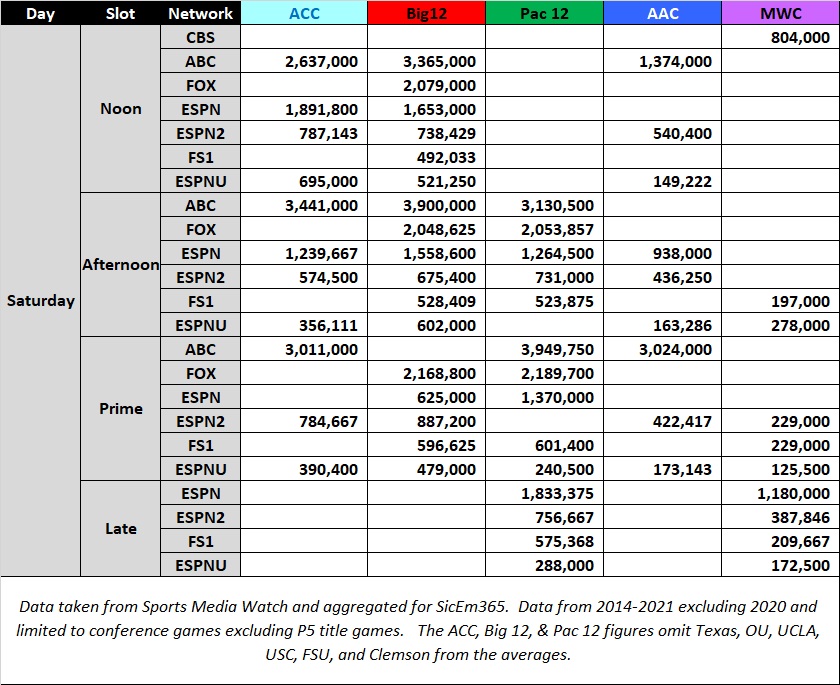
As you can see the SEC on CBS absolutely kills it in the afternoon and whenever they get a prime-time spot there. ABC typically cleans up in prime time as CBS and NBC usually don’t have games there and ABC had at least partial rights to every P5 school outside the SEC. The Big Ten tends to do very well on FOX’s noon slot, where FOX puts several of their best games.

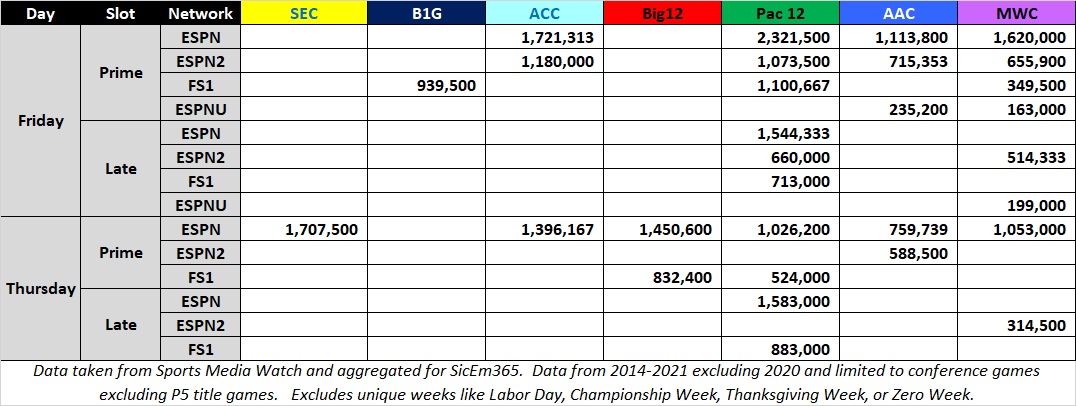
Below is how viewership stacks up on a typical Thursday or Friday. The SEC, ACC, Big 12, and Big Ten tend to show up less while the Pac 12, AAC, and MWC show a little more flexibility working with their TV partners. After realignment I expect the Big 12 to play more weeknight games to try for more revenue from television partners.

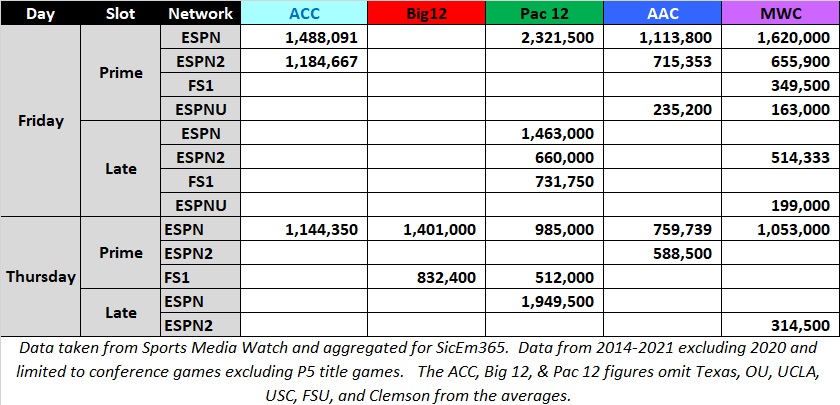
How did realignment impact the Big 12 or Pac 12 in this analysis? Losing Texas, Oklahoma, USC, and UCLA obviously weakens the television impact for those two leagues. Additionally, when you have the ACC commissioner being asked at media days about how strong the ACC grant of rights agreement is to potentially stop teams from leaving we can safely assume that there’s at least talk of schools like FSU, Clemson, or others potentially looking around for more money elsewhere. With that background, I also included how much omitting FSU or Clemson impacts the ACC. Below is the same analysis done on just conference games but excluding Texas, Oklahoma, USC, UCLA, Florida State, and Clemson. These are also compared to the pre-realignment 11 AAC teams and 12 team MWC for context.


What we see is that the remaining members of the P5 conferences perform substantially better than the intact AAC and MWC. Relative to each other there are some similarities. The Big 12 performs fairly well relative to the others listed on this chart. They perform better than competitors on the noon and afternoon ABC slot, the afternoon ESPN slot, and similar in the vast majority of the windows that they are not in first. We also have a breakdown below of how things look on Thursday and Friday.


How Do The Proportional Averages Look For The Conferences?

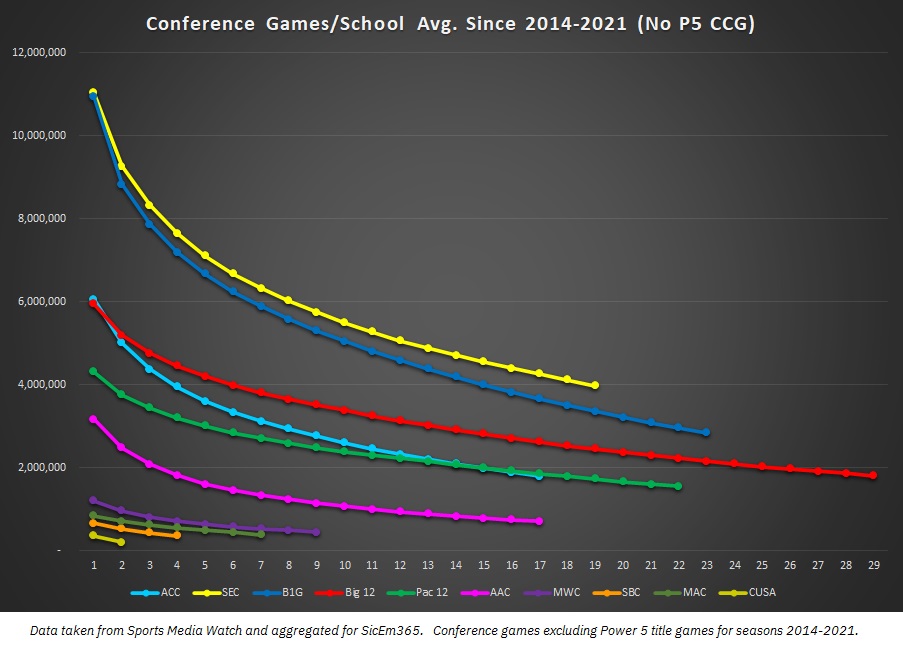
Below you see each of the conferences as a rolling average line for the top X number of games per school for the 2014-2021 seasons. This is including Texas and Oklahoma in the Big 12 line and includes USC and UCLA in the Pac 12 line. It also reflects schools in each conference prior to recent realignment.

Note: ALL regular season weeks & television windows other than P5 title games will be included in the following analysis as it’s more relevant to this metric.  Bowls have not been included either.

As we can see the SEC is ahead of everyone slightly but the Big Ten is tracking closer with them than most would expect from a simple average since the Big Ten had more games reach nationally rated networks. Next in the hierarchy is the Big 12, as it is neck and neck with the ACC for the top games but the Big 12 pulls away after those. Then it’s the ACC and Pac 12 who trade leads depending on what number of games you sample.

Among the G5 the AAC was the clear leader with the MWC as a clear No. 2. The MAC and Sun Belt took advantage of weeknight windows on ESPN networks to pull ahead of CUSA, who’s tv deal has very few nationally rated games and gets much less exposure.

This ranking is generally the same I’ve seen for individual years over the decade. It’s been the SEC, Big Ten, Big 12, and then depending on the year the ACC or Pac 12 would trade leads. The G5 typically was the AAC, MWC, then everyone else. However, 2021 had one big switch that I had not seen.

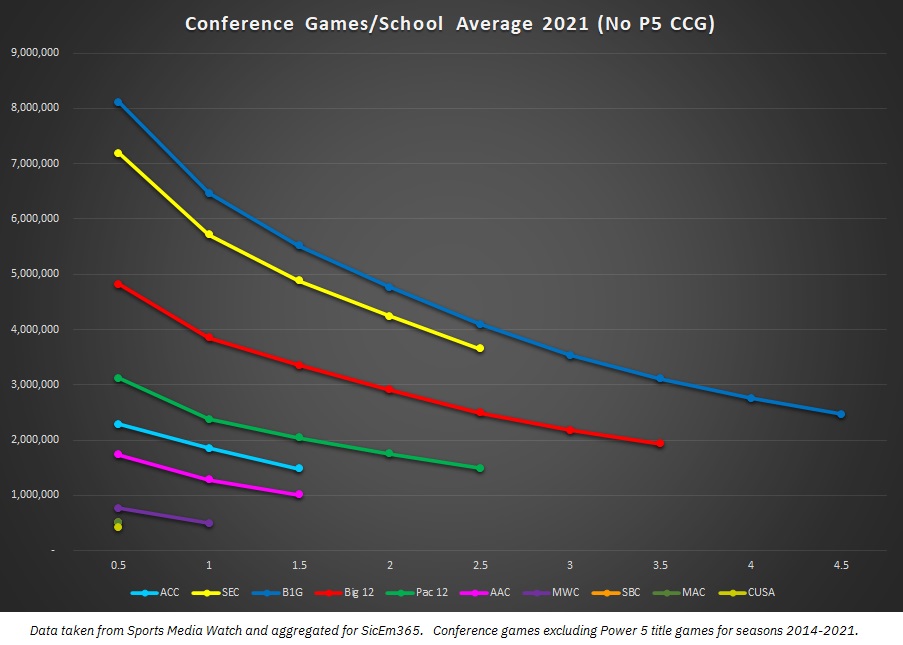
In 2021 the Big Ten actually averaged better than the SEC. Usually, the Big Ten is in shouting range but last year was a complete flip in the data. My best guess is that it was due to a year where LSU, Florida, and Auburn had down years while Michigan, Michigan State, Ohio State, and Penn State all had strong years or at least early parts of the year in the Big Ten East. Additionally, each of the first three also faced Nebraska which is a favorable cross-division draw for TV ratings as the Cornhuskers tend to be a stronger brand than most of their division. This led to more must-see games than usual for one group’s top brands and less than usual for the other’s. Both leagues have solid additional brands like Wisconsin, Tennessee, Penn State, Ole Miss, and others but when you have three of the top five brands in the SEC in a down year it will make an impact.

Additionally, we saw a down year from Clemson, FSU, and Miami. All three didn’t have their best seasons in recent memory, giving them a slip below the Pac 12.

What Does It Look Like After Realignment?

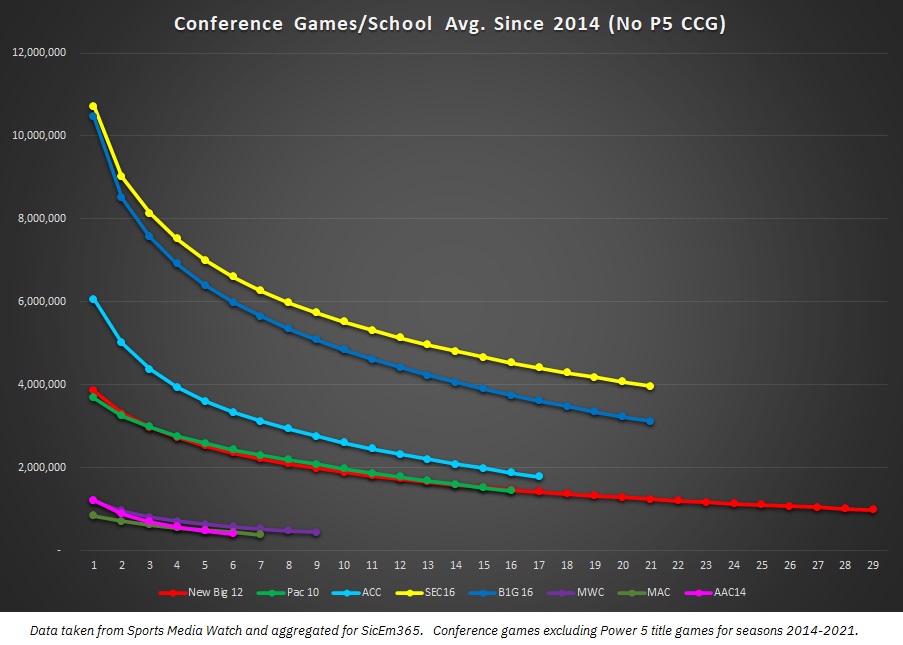
Obviously with Texas, Oklahoma, UCLA, USC, UCF, Houston, BYU, Cincinnati, and several CUSA schools moving around things can look different after realignment.  Since these schools were not in a league together it makes for an awkward comparison but I followed these ground rules:

  • Schools moving to a P5 conference carry their conference games with them.  So Texas vs Oklahoma State helps the SEC line and USC vs Oregon helps the Big Ten line.
  • Since the goal is to see how the conferences are performing without their departing members I have omitted P5 games against the departing members. So Texas vs Oklahoma State and USC vs Oregon do not count for the Big 12 and Pac 12. I also extended the “no UT and OU” rule to BYU, UH, Cincy, and UCF.
  • Teams joining a league get their games against future league opponents included in the numbers.
  • Since it really doesn’t impact the hierarchy, I left in the AAC games where one of the remaining eight AAC schools faced off vs UCF, Cincinnati, and Houston.  I also didn’t redo the numbers for CUSA or the Sun Belt since the result is generally similar relative to the MWC and the MAC.
  • BYU has no conference to pull conference games from. It’s not a reasonably fair projection to limit BYU to just games against G5 schools or just their P5 opponents since those include games against some giant brands like Michigan, LSU, and a couple of others. To be overly conservative I took their games against Nebraska, Michigan, Texas, USC, UCLA, LSU, Michigan State, Tennessee, and Washington out of the sample. Frankly, it doesn’t matter to the end result — the new Big 12 with all BYU games is slightly above the Pac “10”, virtually even with the PAC if we are ignoring BYU altogether using an 11-team sample, and roughly even-to-slightly-below them using just the games vs the G5 schools or their two games vs Baylor and WVU.

We see that the top two are relatively unchanged but the ACC vaults into third place instead of its annual 4th or 5th variations. The Big 12 and Pac “10” are brought virtually even after the Big 12 had a bigger loss with UT and OU but they started off ahead. However, given more favorable schedules than the AAC schools had and more relevant conference title implications than BYU’s independent schedule provided, it’s reasonable to expect the New Big 12 to perform marginally better than this projection.


What If The ACC Lost FSU, Clemson, or Possibly Miami?

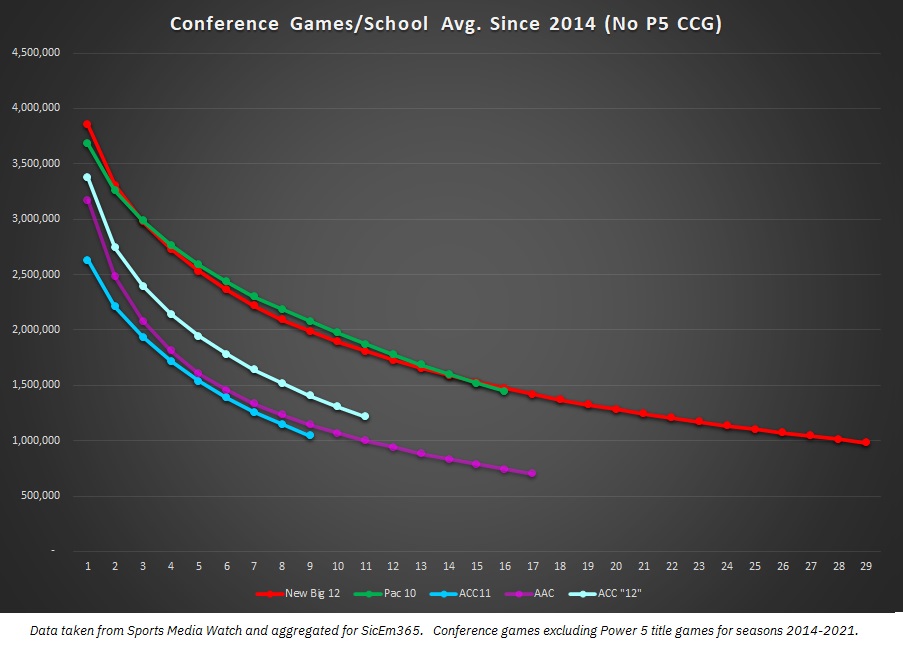
With all of the articles out there speculating on the SEC or Big Ten wanting some combination of FSU, Clemson, Miami, North Carolina, UVA, VT, or NC State it’s safe to say there’s at least a decent chance of realignment hitting that league. It would be a dramatic hit to that league. Below we see how an “ACC 12” without FSU and Clemson would perform and how an “ACC 11” without those two or Miami has performed. 

The resulting average isn’t favorable where it falls clearly behind both the new Big 12 and “Pac 10”’s current projected rosters come 2025. Additionally, the sample excluding Miami’s games as well falls behind the 11-team AAC that was anchored by Big 12 additions UCF, Cincinnati, and Houston.

Ultimately television ratings aren’t realignment value but they can give some general indications. Based on these projections I’ve run for several years it isn’t a shock that the SEC and Big Ten are getting such great contracts, and it isn’t shocking that the other three P5 leagues have lost at least one school to one of them. Each has several schools like Alabama, LSU, Auburn, Georgia, and Florida for the SEC and a group of Michigan, Ohio State, Penn State, Nebraska, Michigan State, and Wisconsin for the B1G. Additionally, they each have large state flagships and land grant schools that may not be blue bloods but command strong interest in their entire states like South Carolina, Texas A&M, Ole Miss, Iowa, Minnesota, and Illinois among several more.

My next and final article on television ratings will break down individual school averages and how schools stack up relative to each other. What has the television pecking order been like in the ACC? Who’s on top in the Big Ten? How do recent additions like Nebraska, Louisville, or Texas A&M show in their new conference? We’ll dive into that next time.

ACC Network Dead Last?


https://www.on3.com/boards/threads/acc-network-last-in-viewership.417712/

https://floridastate.rivals.com/news/clark-what-in-the-world-is-the-acc-network-doing-

The Acc network was last in viewership in the year ending in 2021. This is super sad and an embarrassment to the conference and FSU. These numbers are not published to the public to hide the ineptness of the conference and to spare embarrassment to its members. Here is a link to a story warchant did last year on the network. SAD!


And yet, here was the guest lineup for the Packer and Durham Show on Monday morning. Keep in mind, this is the FIRST show after the NFL Draft. A draft in which the ACC had the No. 1 overall pick in Trevor Lawrence and finished second in the country in players selected.

The first interview was with UNC women's lacrosse goalkeeper Taylor Moreno. The second interview was with Notre Dame men's lacrosse midfielder Tommy McNamara. The third interview was with UNC men's lacrosse goalkeeper Collin Krieg (man, two UNC lacrosse goalkeepers in one day! Has that ever been done in the history of television?!?). And then finally, the last interview was with studio host Dalen Cuff to talk about the upcoming NCAA women's soccer tournament games.

This is the flagship show for the ACC Network. The Monday after the NFL Draft. And the guests were: Lacrosse player, lacrosse player, lacrosse player, studio host to talk about soccer.

What in the world are we doing here?

*ALSO SEE: Schoffel: NFL Draft yet another reminder of how FSU Football lost its way

I'm not sure the SEC Network's Finebaum has ever done a lacrosse interview in his life. And I'm darn sure many in his audience can't spell the word. And yet, when it comes to this particular subject, they appear to be the smart ones. Because, other than a small, small, small percentage of people in this country ... nobody is tuning in to watch college lacrosse!

So, why then, are Packer and Durham devoting three full interviews to it? On the Monday after the NFL Draft?

I can't fathom that this is a decision Mark Packer and Wes Durham are making for themselves. They don't book the show. But why are the people who do book the show so dedicated to not interviewing people associated with the sport that pays ALL the bills?

Is this an edict from above?

"Be sure to get those lacrosse interviews in today, guys! And let's not forget soccer. Maybe sprinkle in some college tennis as well."

"What about the NFL Draft, though?"

"I said I want lacrosse interviews, dammit! Now make it happen!"

Phillips has only been in charge of the ACC for a few months, and I don't know the man at all. But I can't imagine he's OK with the content on his new conference channel. Not when he's trying to play catch-up to the SEC Network, which actually makes a habit of providing shows and interviews that their audience is interested in.

Last week, in leading up to the NFL Draft, Finebaum had these guests on his show: Mel Kiper Jr., college football writer Bruce Feldman, College Football Playoff Committee chairman Bill Hancock, Nick Saban, NFL Draft analyst Trevor Sikkema, Kirby Smart, college football writer Andy Staples, NFL CIO Michelle McKenna, Mark Stoops, ESPN draft analyst Field Yates, Danny Wuerffel, college football writer Tony Barnhardt and Tuscaloosa columnist Cecil Hurt.

Are we sensing a theme with these guests?

Here's who Packer and Durham had on their show: ESPN lacrosse analyst Dana Boyle, Louisville field hockey coach Justine Sowry, UNC lacrosse player Cam Macri (are there any lacrosse players at UNC that HAVEN'T been on the show at this point?), Syracuse lacrosse player Jakob Phaub ... and you know what? I can't do this anymore. You get the point. Clemson's golf coach was interviewed. So was the UNC women's tennis coach.

In total, in the week of the NFL Draft, the ACC Network's flagship show interviewed zero ACC football players and one ACC head coach, Dino Babers, and that was mainly about dealing with the pandemic. They talked to one college football writer, Andrea Adelson, who talked about name, image and likeness.

Not a single guest on to talk about the NFL Draft. Not. One.


For a quick perspective on the popularity and production of the two channels: The ACC Network has 70,800 followers on Twitter. The SEC Network has 1 million.


We keep being told that the conference understands how important football is and how the mindset in Greensboro, N.C., has changed to reflect that. And yet, if I was tuning in to Monday's Packer and Durham (which would mean I likely live somewhere other than Tallahassee since it's still not available on cable here), I saw the hosts chat about the draft for a bit, and then I got an avalanche of lacrosse interviews.

Most networks are interested in ratings. In making money. In getting lucrative sponsorships. The ACC is apparently cool with hawking night-vision binoculars for the rest of time.

It makes no sense.

Untangling the Raycom Deal


Untangling the Raycom Deal


For those of you who still think of John Swofford as "The Ninja", here's a piece of his legacy that still sticks in the craw of many ACC fans: the Raycom side deal.

Luke DeCock, in his article in the News and Observer, quoted new ACC Commissioner Jim Phillips with the above statement. However, there is some good news in his post:

...the leftover threads of that deal with Raycom... will eventually come off the books in 2027 — at which point each ACC school will get an immediate bump of about $3 million more per year from the ACC.

So, at least they have that going for them.

Why do they have to wait until 2027, you ask? The OP answers that, too:

Other rights still held by Raycom included a package of one football game and two men’s basketball games a week as well as the women’s basketball and baseball tournament games. Raycom had resold those to Fox and other RSNs in a deal so profitable that it proved prohibitively expensive for ESPN to reacquire the rights in 2016. The additional football and basketball inventory doesn’t offer enough additional value to justify the cost to reacquire it.

In other words, the ACC gave a package of games to Raycom, but rather than producing those games themselves (as, I'm sure, was the original intention), Raycom sold those rights to Fox - who ultimately resold them to Bally Sports. Now, after Raycom and Fox have already turned a profit (and Bally would want to do the same in any sale), there just isn't enough margin left to make it worthwhile.

Not even thinking ahead enough to make the media rights "non-transferrable" really highlights the ineptitude of the previous ACC regime when it comes to negotiating television contracts!Untangling the Raycom Deal

Games with 2+ Million Viewers


Games with 2+ Million Viewers

David Teel posted an article on Richmond.com titled "TV Ratings Database Shows Value of Top ACC Football Brands". I'd like to discuss a few points from the article by presenting it to you in table form:

Team#gamesBar chartPercent
Clemson33ooooooooooooooooooooooooooooooooo44.6%
Florida State29ooooooooooooooooooooooooooooo39.2%
Miami15ooooooooooooooo20.3%
Virginia Tech12oooooooooooo16.2%
N.C. State10oooooooooo13.5%
Syracuse9ooooooooo12.2%
Louisville7ooooooo9.5%
North Carolina6oooooo8.1%
Georgia Tech6oooooo8.1%
Virginia5ooooo6.8%
Pitt5ooooo6.8%
Wake Forest5ooooo6.8%
Boston College4oooo5.4%
Duke1o1.4%
Maryland*1o1.4%

Wednesday, August 24, 2022

FSU’s new Student Union opens as cutting-edge ‘centerpiece of our campus’


FSU’s new Student Union opens as cutting-edge ‘centerpiece of our campus’


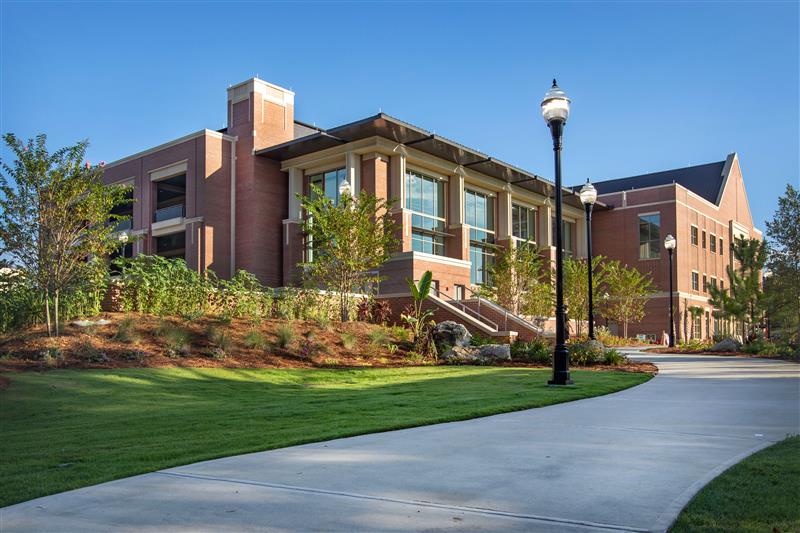
Four restaurants, a 12-lane bowling alley, a sports bar and a ballroom so big it’s measured in acreage: Welcome to your new Student Union, Florida State University.  

And behold a formidable four-story facility devoted to taste, play, study, relaxation and community.

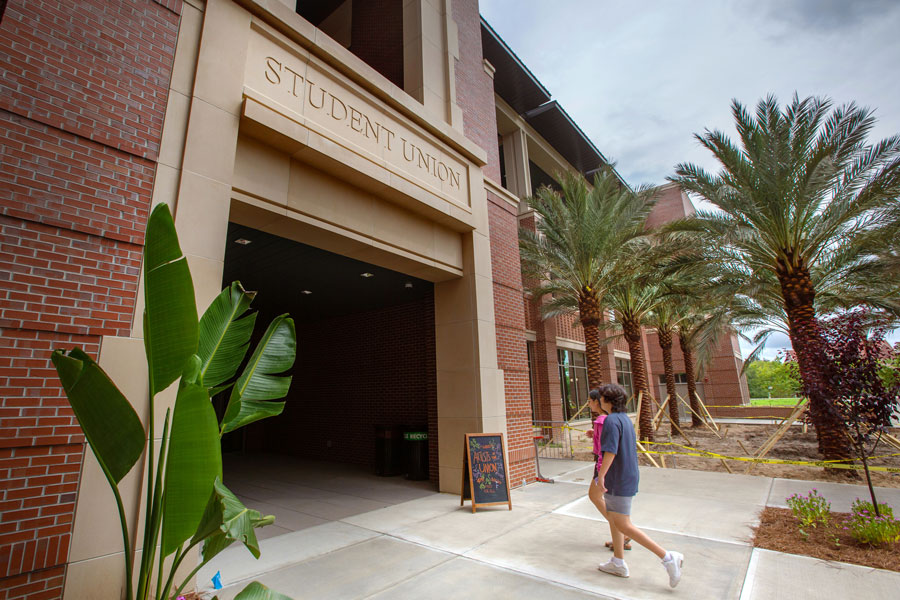
At about 300,000 square feet and rising 80 feet from the heart of campus, the Student Union features a red-brick façade and soaring windows, ensuring that it both fits in and stands out. Inside, the whiff of fresh paint fills the air, and so does the buzz of people who already have flocked in. 

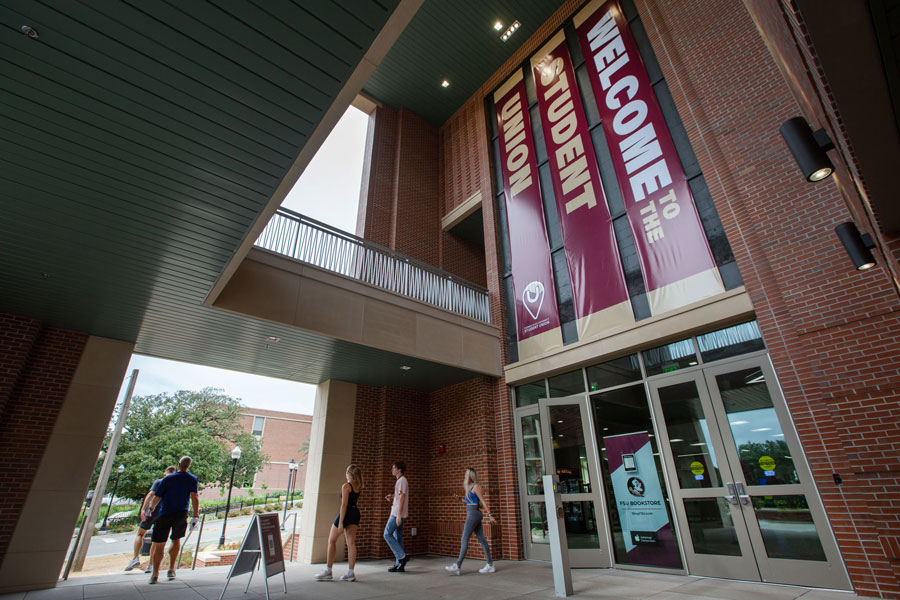
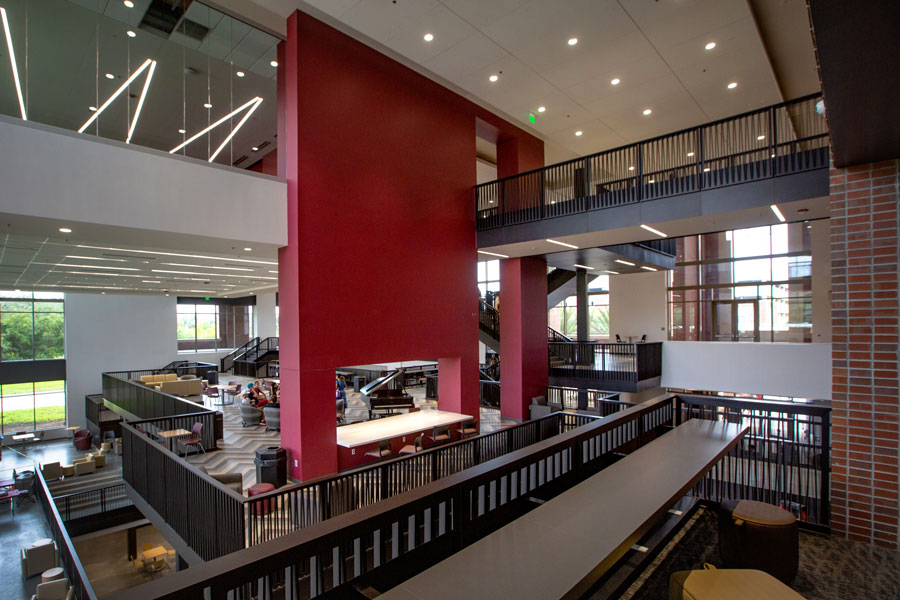
Entering the lobby, you find it immediately clear the union’s architects and designers delivered on the university’s mandate to factor natural light into the plans. Even from the basement floor, the sky is visible, and from the Student Government Association’s Senate chambers — located in the center of the third floor — you can still enjoy a view of Doak Campbell Stadium.

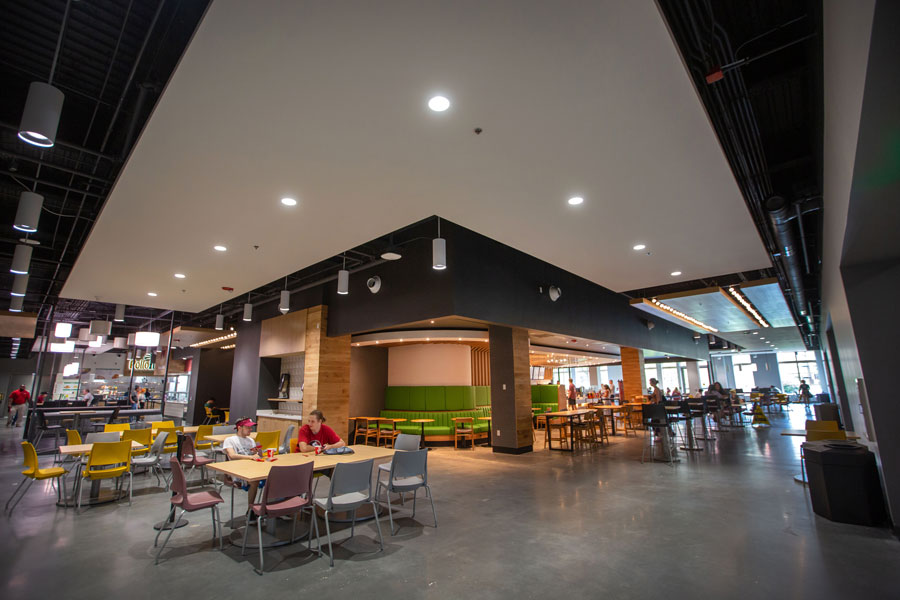
Throughout the building, high-top tables, lounge chairs, couches and cushioned serpentine-shaped benches wind their way through open space. These seating options and meeting spaces provide a spectrum of choice for those looking to catch up with friends — or quietly catch up on classwork.   

Brandon Bowden, associate vice president for Student Affairs and part of a team of administrators, faculty members and students who charted the Student Union’s path from concept to completion, trumpeted the new facility as a cutting-edge achievement for the FSU community. 

“It’s one thing to see it on paper, but to see it leaping off the pages into reality, that’s exciting,” he said, noting that more than four years have passed since the closing of the union’s predecessor, Oglesby Union. “This is something that’s a long-time coming for our students and our faculty and staff. The union is the centerpiece of our campus, and I think it’s one that everyone will want to show off.”


Here’s a closer look:

Restaurants

When the Student Union was still in its idea phase, students made it clear they wanted food choices; that’s what they got in the form of a four-restaurant roundabout located off the main lobby. Pollo Tropical offers food inspired by Latin-Caribbean cuisine. Panera Bread has an assortment of bakery café fare, including soup, salads and sandwiches. Panda Express offers American-Chinese food, and famished visitors hoping for a hot slice of pizza will find it at Brooklyn Pizza, which, despite its name, is a Tallahassee-based business. And, of course, there is a Starbucks ready to fill all your caffeinated needs.  

Bookstore

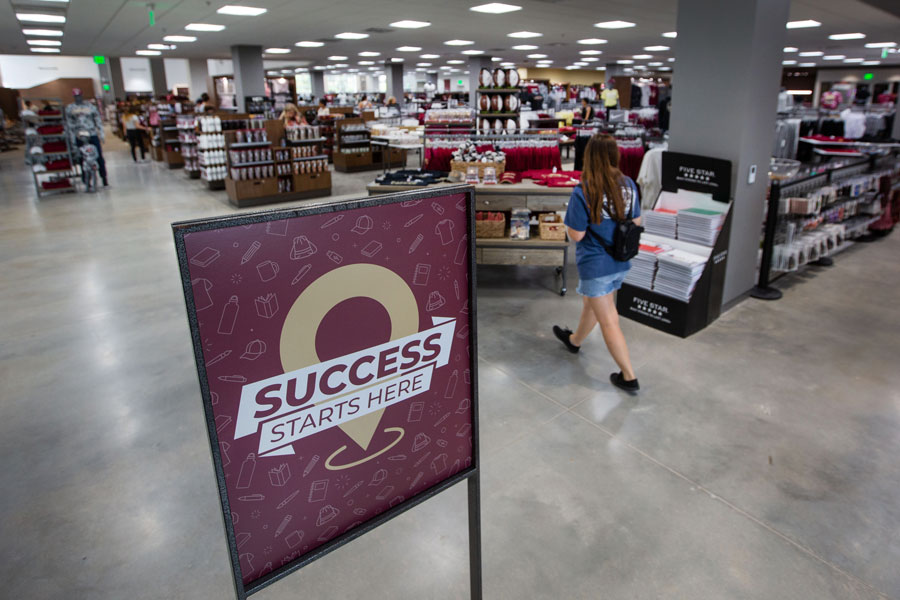
An expanded FSU bookstore offers students more space for perusing and congregating. Visitors to the old location will notice a host of updates including tables and seats in the books section, yet more meeting and study space for students.

Rooms with a view

Those looking for panoramic views of campus now have no shortage of options thanks to second- and third-floor balconies. With the 100-year-old oaks of Legacy Walk in the foreground and a sea of green unfolding all the way to Doak Campbell Stadium, onlookers will see campus in a whole new way. The university plans to add furniture to some of the balcony space to entice people to stick around for a while.  

Bowling and billiards

In the basement, a 12-lane bowling alley awaits. Complete with an array of funky, atmospheric lighting options, the lanes also feature some familiar elements, including photos of campus iconography. The ends of the lanes have been labeled with language evocative of FSU, including “vires,” “artes” and “mores,” from FSU’s motto. Student Union Assistant Director Michael Fine pointed out that the eight seemingly brand-new billiards tables have been at FSU since 1964. They’ve been balanced, and they retain their original charm with the help of new pockets, bumpers and felt.   

Ballroom(s)

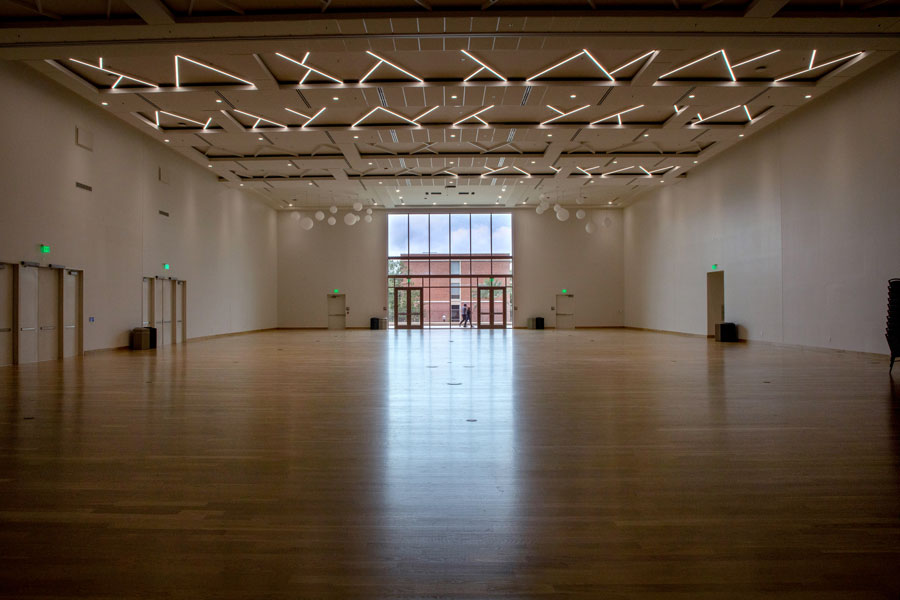
No space in the entire union expresses itself through sheer size like the ballroom. At about 15,000 square feet, or a third of an acre, it’s bigger than three basketball courts. That swath can be spliced into five separate rooms by a set of air walls, lightweight partitions stretching almost 30 feet from the floor to the ceiling. The space will accommodate an array of large events, and it already has hosted several student events of more than 600 people.  

Sports bar

Those looking to enjoy FSU sports will find an ideal space on the basement floor: The C3 Sports Bar will soon be open and offer an assortment of barroom menu favorites, plus a selection of beer and wine. The game-watching experience will be heightened by the addition of a massive screen that is awaiting installation this fall. 

Club Downunder

Events are already booked for the new music and dance venue. The club features a dance floor and cutting-edge technology to ensure that the atmosphere engages clubgoers and supports the acts on stage. Ample dressing-room space and the latest audio-visual technology are set to lure and accommodate acts.

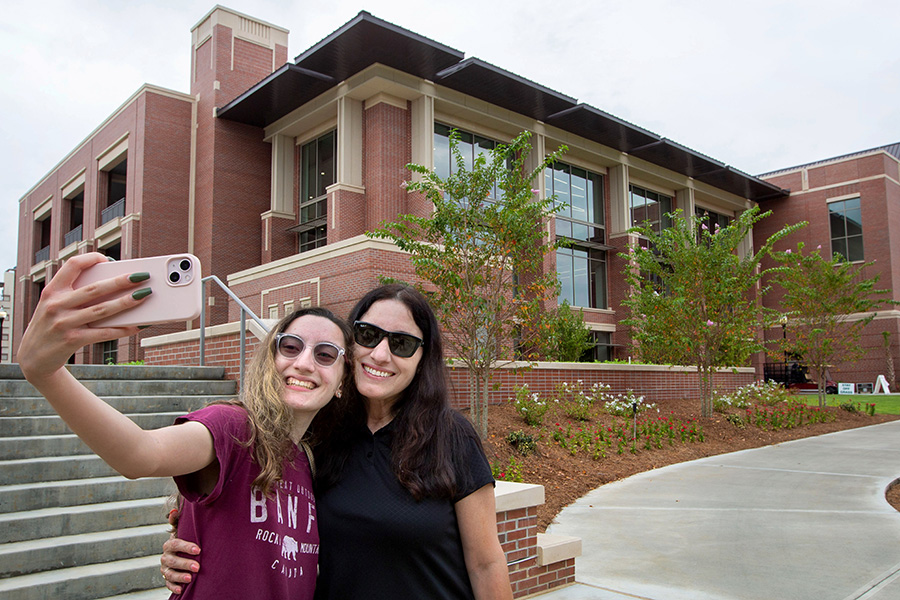
Aliah Bangash takes a selfie with her mother Odalys outside the new Student Union. Aliah is an incoming freshman from West Palm Beach.

Art studios

The basement is also home to an art center, which includes space devoted to painting and, next door, a studio for clay works. Works produced by FSU students will be available next to the studio space in the art retail center.   

Trees, grass and greens

Outside the Union, new sod is taking root, and a series of paths and walkways connect the facility to the adjacent Moore Auditorium and Legacy Walk. The property is dotted with newly planted trees, including 12 tall palms greeting those who pass through the building’s main west-side entrance. 

A subtle memorial

On a stairway near an entrance to the bookstore on the building’s west side is a feature that could go unnoticed — unless you know what to look for. One of the union’s early architects, Ian Sommerfeldt, died unexpectedly in December 2018. In acknowledgment of his life and work, designers and craftsmen arranged a series of bricks protruding slightly from surrounding masonry to spell his first name in Morse Code.